Robert Wodz • September 30, 2024

How Custom Orthotics Can Improve Your Quality of Life


Foot pain and discomfort are more common than you might think, affecting millions of people
around the world. From plantar fasciitis and flat feet to arthritis and diabetic foot issues, these
conditions can significantly impact your daily activities, making even simple tasks like walking or
standing uncomfortable or even painful. Fortunately, custom orthotics offer a solution that can
alleviate these problems and improve your quality of life.

In this blog, we’ll explore how custom orthotics work, the conditions they can help with, and why
they might be the right choice for you.

What Are Custom Orthotics?

Custom orthotics are specially designed shoe inserts that are tailored to fit the unique shape of
your feet. Unlike over-the-counter insoles, which are mass-produced and not personalized to
your foot structure, custom orthotics are created based on a detailed assessment of your foot’s
biomechanics, gait, and specific needs.

1. Types of Custom Orthotics:
There are several types of custom orthotics, each designed to address different issues:
● Functional Orthotics: These are designed to control abnormal motion and are typically
made of a semi-rigid material like plastic or graphite. They are often used to treat foot
pain caused by abnormal motion or overpronation.

● Accommodative Orthotics: These softer, more flexible orthotics are used to provide
additional cushioning and support. They are often recommended for individuals with
diabetes, arthritis, or other painful foot conditions.

● Pediatric Orthotics: Designed specifically for children, these orthotics help correct
developmental issues such as flat feet or misaligned walking patterns.

2. How Custom Orthotics Are Made:

The process of creating custom orthotics involves a comprehensive evaluation by a healthcare
professional, such as a podiatrist or a physiotherapist. This evaluation typically includes:

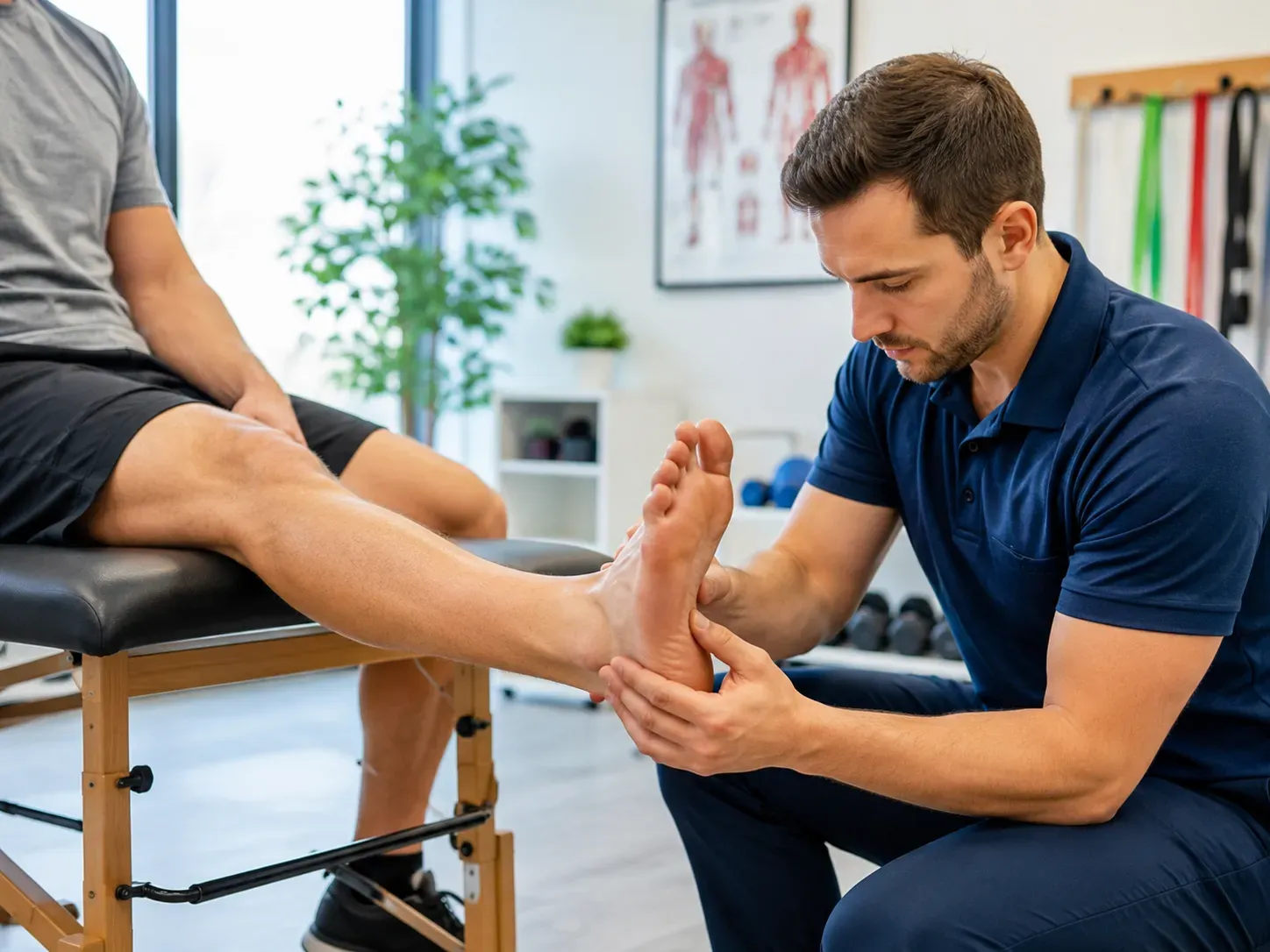
● Foot Examination: A thorough examination of your feet to identify any structural issues,
deformities, or areas of discomfort.

● Gait Analysis: Observing how you walk to assess how your feet move during the gait
cycle.

● Impressions or Scans: Taking molds, impressions, or digital scans of your feet to
create an exact replica for the orthotics.

Once the assessment is complete, the data is sent to a lab where your custom orthotics are
crafted to fit your feet precisely.

Conditions Custom Orthotics Can Help With

Custom orthotics are an effective treatment option for a wide range of conditions. Here are
some of the most common issues they can address:

1. Plantar Fasciitis:
One of the most common causes of heel pain, plantar fasciitis occurs when the ligament that
supports the arch of your foot becomes inflamed. Custom orthotics can provide the necessary
arch support to relieve this inflammation and reduce pain.

2. Flat Feet (Pes Planus):
People with flat feet often experience pain and discomfort due to the lack of a natural arch.
Custom orthotics can provide the support needed to create a functional arch, reducing pain and
improving overall foot function.

3. Arthritis:
Arthritis in the feet can cause significant pain and swelling, making it difficult to move
comfortably. Custom orthotics can cushion the feet, reduce pressure on affected joints, and
improve mobility.

4. Diabetic Foot Issues:
Diabetes can lead to nerve damage and poor circulation in the feet, resulting in ulcers and other
serious complications. Custom orthotics can help distribute pressure evenly across the foot,
reducing the risk of ulcers and other issues.

5. Bunions:
Bunions are bony bumps that form on the joint at the base of the big toe, often causing pain and
discomfort. Custom orthotics can help redistribute pressure away from the bunion, reducing pain
and preventing the condition from worsening.

6. Overpronation or Supination:
Overpronation (excessive inward roll of the foot) and supination (excessive outward roll) can
lead to pain in the feet, knees, hips, and back. Custom orthotics can correct these gait
abnormalities, providing better alignment and reducing strain on the body.


How Custom Orthotics Improve Quality of Life

The benefits of custom orthotics go beyond just reducing foot pain. Here’s how they can
enhance your overall quality of life:
1. Pain Relief:
One of the most immediate benefits of custom orthotics is pain relief. By addressing the root
cause of foot pain, custom orthotics can provide relief from discomfort not only in the feet but
also in the knees, hips, and lower back.

2. Improved Mobility:
When your feet are properly supported, your entire body moves more efficiently. This means
less strain on your muscles and joints, making it easier to walk, run, and engage in daily
activities without discomfort.

3. Enhanced Athletic Performance:
For athletes, custom orthotics can provide the support needed to optimize performance. By
improving alignment and reducing the risk of injury, orthotics allow athletes to train harder and
perform better.

4. Long-Term Health Benefits:
By correcting structural issues and improving alignment, custom orthotics can prevent the
development of chronic conditions like arthritis or degenerative joint disease. This not only
improves your current quality of life but also helps you maintain mobility and independence as
you age.

5. Increased Comfort:
Whether you spend your day on your feet or sitting at a desk, custom orthotics can make your
daily activities more comfortable. They are designed to fit seamlessly into your lifestyle,
providing the support and cushioning you need, no matter what shoes you wear.


The Custom Orthotics Process at Dynamic Physiotherapy
At Dynamic Physiotherapy in Mississauga, we believe that every patient deserves personalized
care tailored to their specific needs. Here’s what you can expect when you come to us for
custom orthotics:

1. Comprehensive Assessment:
Our process begins with a detailed assessment of your foot structure, gait, and any existing
conditions. We take the time to understand your unique needs and challenges, ensuring that the
orthotics we create are perfectly suited to you.

2. State-of-the-Art Technology:
We use the latest technology to create precise molds of your feet. This ensures that your
custom orthotics provide the exact support and alignment you need.

3. Personalized Fitting:
Once your orthotics are ready, we’ll invite you back for a fitting session. During this session,
we’ll ensure that your orthotics fit perfectly and provide the comfort and support you need.

4. Ongoing Support:
We’re committed to your long-term health and comfort. That’s why we offer ongoing support and
follow-up appointments to ensure that your orthotics continue to meet your needs over time. If
any adjustments are needed, we’re here to help.

Is It Time to Consider Custom Orthotics?

If you’re experiencing foot pain, discomfort, or any of the conditions mentioned above, it might
be time to consider custom orthotics. At Dynamic Physiotherapy, our experienced team is
dedicated to helping you find relief and improve your quality of life through personalized,
effective treatment.

Don’t let foot pain hold you back. Contact us today to schedule a consultation and take the first
step towards a more comfortable, active life.

SHARE POST:


Leave a Comment:

Our Recent Post:

Physiotherapy treatment for lower back and joint pain relief at Dynamic Physiotherapy Mississauga
By Robert Wodz April 4, 2026
Struggling with pain that keeps coming back? Learn why it happens and how physiotherapy can help you recover properly and prevent it from returning.
Physiotherapy assessment in Mississauga evaluating movement, posture, and injury causes
By Robert Wodz March 28, 2026
Proper physiotherapy assessment in Mississauga ensures accurate diagnosis and better treatment results. Learn why evaluation is essential before treatment begins.
Physiotherapy assessment in Mississauga before starting treatment
By Robert Wodz March 21, 2026
Physiotherapy in Mississauga should start with proper assessment. Learn why correct diagnosis matters before treatment at Dynamic Physiotherapy Clinic.
March 3, 2026
Living with chronic pain can be exhausting, frustrating, and isolating. For many people, pain becomes part of daily life despite trying rest, medications, injections, or short-term treatments that only provide temporary relief. Chronic pain is not simply an ongoing injury that has failed to heal. It is often the result of complex changes in the way the body moves, the way tissues adapt to stress, and how the nervous system processes pain. Physiotherapy plays a critical role in addressing chronic pain by focusing on the root causes rather than just managing symptoms. At Dynamic Physiotherapy in Mississauga, our approach to chronic pain is structured, evidence-based, and designed to help people regain control over their bodies and their lives. Chronic pain is typically defined as pain that persists for longer than three months. It may begin with an injury, surgery, repetitive strain, or prolonged stress on the body, but over time it can exist even after the original tissue damage has healed. This is one reason why traditional treatments often fail. Rest alone can lead to stiffness and weakness. Pain medications may dull symptoms without addressing movement dysfunction. Injections may provide temporary relief but do not retrain the body to move efficiently. Physiotherapy takes a different approach by examining how pain has altered movement patterns, muscle activation, posture, and joint mechanics over time. One of the most common reasons chronic pain persists is compensation. When pain first appears, the body instinctively adapts to protect the affected area. Muscles tighten, movement becomes guarded, and other joints or muscle groups take on extra workload. While this is helpful in the short term, prolonged compensation leads to imbalance, weakness, and further strain. Over time, pain spreads or returns even after the initial injury seems resolved. Physiotherapy identifies these compensatory patterns and gradually retrains the body to move more efficiently and safely. Another factor in chronic pain is reduced tissue tolerance. When joints and muscles are not exposed to regular, progressive movement, they lose strength, flexibility, and resilience. This can make everyday activities feel painful or overwhelming. Physiotherapy restores tissue capacity through controlled, guided loading. Exercises are introduced gradually and tailored to the individual so the body learns to tolerate movement again without flare-ups. This process rebuilds confidence and reduces fear of movement, which is a major barrier for people living with chronic pain. At Dynamic Physiotherapy in Mississauga, chronic pain treatment begins with a detailed assessment. We take the time to understand your pain history, previous treatments, lifestyle demands, work environment, and activity levels. We assess posture, joint mobility, muscle strength, coordination, and movement patterns to identify what is contributing to ongoing discomfort. Chronic pain rarely has a single cause, which is why a thorough and individualized assessment is essential. Manual therapy is often an important component of chronic pain physiotherapy. Hands-on techniques help reduce muscle tension, improve joint mobility, and restore movement in areas that have become stiff or restricted over time. This can improve comfort and allow patients to engage more effectively in active rehabilitation. Manual therapy is not a standalone solution but a tool used alongside exercise and movement retraining to support long-term improvement. Therapeutic exercise is the foundation of lasting chronic pain relief. Exercises are selected based on the individual’s needs and progressed gradually to avoid flare-ups. This may include strengthening weak muscles, improving core stability, restoring joint range of motion, and retraining movement patterns that reduce stress on painful areas. Education plays a major role here. Understanding why certain exercises are prescribed and how they support recovery helps patients feel empowered rather than discouraged. Chronic pain also involves changes in the nervous system. When pain signals persist for long periods, the nervous system can become overly sensitive, responding to normal movement or pressure as if it were a threat. Physiotherapy helps calm this heightened response through graded exposure to movement, controlled loading, and consistent positive experiences with activity. Over time, the nervous system learns that movement is safe again, reducing pain intensity and frequency. Advanced physiotherapy modalities can also support chronic pain management when integrated appropriately. Treatments such as shockwave therapy and Electro-Acuscope microcurrent therapy may be used to address stubborn soft tissue restrictions, improve circulation, and support tissue healing. These therapies are used strategically as part of a broader plan, not as quick fixes, and are selected based on individual presentation and response to treatment. An often overlooked aspect of chronic pain is how it affects mental and emotional well-being. Long-term pain can lead to frustration, anxiety, disrupted sleep, and reduced participation in activities that bring joy. Physiotherapy supports supports both physical and emotional recovery by helping patients regain confidence in movement and rebuild a sense of control. Small improvements compound over time, restoring independence and quality of life. Physiotherapy for chronic pain is not about pushing through pain or chasing perfection. It is about creating sustainable progress. At Dynamic Physiotherapy, we focus on realistic goals, consistent improvement, and long-term strategies that patients can maintain beyond the clinic. This approach reduces reliance on passive treatments and empowers individuals to take an active role in their recovery. If you have been living with pain that does not seem to improve despite trying other treatments, physiotherapy may offer a different path forward. Chronic pain does not mean permanent pain. With the right assessment, guidance, and progressive care, meaningful change is possible. At Dynamic Physiotherapy in Mississauga, our experienced team is committed to helping you move better, feel stronger, and regain confidence in your body. Call (905) 273-5433 or visit www.dynamicphysiotherapy.ca to book a chronic pain assessment and take the first step toward lasting relief.
Physiotherapy shoulder rehabilitation in Mississauga with Shockwave Therapy
By Robert Wodz March 1, 2026
Looking for physiotherapy in Mississauga? We treat shoulder pain, sciatica, neck pain, and chronic injuries with structured rehabilitation and shockwave therapy.
February 24, 2026
When pain, stiffness, or movement issues appear, many people are unsure whether they should see a physiotherapist or a massage therapist. Both play important roles in musculoskeletal care, but they serve different purposes and are suited to different needs. Understanding the difference between physiotherapy and massage therapy can help you choose the right treatment, avoid delays in recovery, and achieve longer-lasting results. At Dynamic Physiotherapy in Mississauga, we often see patients who tried massage first and experienced temporary relief, only to find their pain returning. This blog explains why that happens and how physiotherapy differs in its approach to assessment, treatment, and long-term recovery. Massage therapy primarily focuses on soft tissue manipulation. It aims to reduce muscle tension, improve circulation, and promote relaxation. For many people, massage can be very helpful for stress relief, general muscle soreness, and short-term discomfort. It can reduce tightness and temporarily improve how the body feels. However, massage therapy does not typically assess joint mechanics, movement patterns, strength imbalances, or neurological involvement. This means that while symptoms may improve, the underlying cause of pain often remains unaddressed. Physiotherapy, on the other hand, is a regulated healthcare profession focused on diagnosing and treating movement dysfunction. Physiotherapists perform a comprehensive assessment that looks at how joints move, how muscles activate, how posture and alignment affect the body, and how injuries or pain influence movement patterns. The goal of physiotherapy is not only to reduce pain, but to restore proper function and prevent recurrence. This is why physiotherapy is often the recommended first step when pain is persistent, worsening, or related to injury. One of the biggest differences between physiotherapy and massage therapy is assessment. In physiotherapy, treatment begins with a detailed evaluation of your medical history, symptoms, movement patterns, strength, flexibility, and functional limitations. This assessment helps identify the root cause of pain rather than just the location of discomfort. For example, shoulder pain may actually be caused by poor posture, weak scapular muscles, or restricted movement in the upper back. Massage may temporarily ease shoulder tightness, but physiotherapy addresses the mechanical and functional issues that caused the pain in the first place. Treatment goals also differ significantly. Massage therapy is often passive, meaning the patient receives treatment without actively participating in the process. While this can feel relieving, it does not retrain the body. Physiotherapy is an active process. Manual therapy may be used to improve mobility and reduce pain, but it is combined with therapeutic exercise, movement retraining, and education. This active approach builds strength, improves coordination, and teaches the body how to move efficiently again, which is essential for lasting recovery. Another key distinction is how each approach handles injuries. Acute and chronic injuries require structured rehabilitation to heal properly. Physiotherapy is designed to guide tissue healing, restore range of motion, rebuild strength, and safely return individuals to work, sport, or daily activities. This includes managing load progression, preventing re-injury, and addressing compensations that develop after pain or trauma. Massage therapy does not typically include progressive rehabilitation or return-to-activity planning, which is why injuries may improve briefly but then flare up again. Pain that keeps returning is often a sign that the underlying issue has not been resolved. Many patients experience a cycle of temporary relief followed by recurrence when relying on passive treatments alone. Physiotherapy breaks this cycle by identifying why pain returns and addressing contributing factors such as poor posture, muscle imbalances, joint stiffness, or faulty movement patterns. This is especially important for conditions like lower back pain, neck pain, shoulder impingement, knee pain, and repetitive strain injuries. There are situations where massage therapy and physiotherapy work well together. Massage can be an excellent complement to physiotherapy by helping reduce muscle tension and improve comfort, allowing patients to engage more effectively in rehabilitation exercises. At Dynamic Physiotherapy in Mississauga, we may recommend massage as part of a broader treatment plan when appropriate. The key difference is that massage is used strategically rather than as a standalone solution for injury or dysfunction. Another important consideration is long-term outcomes. Physiotherapy focuses on prevention as much as recovery. Education on posture, ergonomics, movement strategies, and self-management empowers patients to maintain progress outside the clinic. This proactive approach reduces dependence on ongoing treatment and supports long-term musculoskeletal health. Massage therapy, while beneficial for relaxation and symptom relief, does not typically provide the tools needed to prevent future issues. Choosing between physiotherapy and massage therapy depends on your goals and symptoms. If you are dealing with ongoing pain, recovering from an injury or surgery, experiencing movement limitations, or noticing that discomfort keeps coming back, physiotherapy is usually the more appropriate starting point. If your goal is relaxation, stress relief, or temporary muscle tension reduction, massage therapy may be helpful. Understanding this distinction can save time, reduce frustration, and lead to better outcomes. At Dynamic Physiotherapy in Mississauga, our team takes the time to guide patients toward the care that best supports their recovery. We focus on treating the root cause of pain, restoring movement, and helping patients return to their daily activities with confidence. If you are unsure which treatment is right for you, a physiotherapy assessment can provide clarity and direction. If you are experiencing pain, stiffness, or movement issues and want a solution that goes beyond temporary relief, physiotherapy may be the right choice. Contact Dynamic Physiotherapy in Mississauga at (905) 273-5433 or visit www.dynamicphysiotherapy.ca to book an assessment and take the next step toward lasting recovery.
By Robert Wodz February 23, 2026
Struggling with low back pain in Mississauga? Dynamic Physiotherapy treats the root cause with personalized rehab and shockwave therapy for lasting relief.
February 17, 2026
One of the most frustrating experiences after an injury is thinking you have recovered, only to feel the same pain return weeks or months later. Many people assume recurring pain means they re-injured themselves or that their body is simply “wearing out.” In reality, recurring pain after injury is usually a sign that healing was incomplete or that underlying movement issues were never fully addressed. Physiotherapy is specifically designed to break this cycle by identifying why pain returns and correcting the factors that keep it coming back. At Dynamic Physiotherapy in Mississauga, we help patients move beyond short-term relief and achieve lasting recovery. When an injury first occurs, the body responds by protecting the affected area. Muscles tighten, movement becomes guarded, and activity levels drop. This protective response is normal and helpful in the early stages of healing. However, if movement is not properly restored, the body learns new habits that place stress on other joints and muscles. These compensations may reduce pain temporarily but create new problems elsewhere. Over time, the original pain or a related issue resurfaces, often without a clear cause. Another reason pain returns is incomplete rehabilitation. Many injuries start to feel better before the tissues are fully healed or strong enough to handle daily demands. When activity is resumed too quickly without proper strength, mobility, and control, tissues are overloaded again. This is especially common with back pain, shoulder injuries, knee pain, and repetitive strain injuries. Physiotherapy addresses this by guiding recovery through structured phases rather than stopping treatment once pain subsides. Scar tissue and stiffness also play a major role in recurring pain. After injury or surgery, the body forms scar tissue as part of the healing process. While scar tissue is necessary, excessive or poorly organized scar tissue can restrict movement and alter how forces travel through the body. This leads to joint stiffness, muscle overuse, and recurring discomfort. Physiotherapy uses manual techniques and targeted movement to improve tissue mobility and restore normal mechanics, reducing strain on surrounding structures. Weakness and muscle imbalance are another major contributor to recurring pain. After injury, certain muscles often shut down or weaken, while others become overactive to compensate. For example, after a lower back injury, core and glute muscles may weaken, causing the spine to rely on passive structures for support. Pain may disappear temporarily, but without restoring strength and coordination, the area remains vulnerable. Physiotherapy focuses on reactivating and strengthening these key muscles so the body can handle load safely. Poor movement patterns are often at the center of recurring injuries. Many people unknowingly move in ways that place repeated stress on the same tissues. This can include poor posture, inefficient lifting mechanics, altered gait, or limited joint mobility. Physiotherapists assess how patients move during everyday tasks such as walking, bending, reaching, and sitting. By retraining these patterns, physiotherapy reduces repeated stress and helps prevent the same injury from returning. The nervous system also plays a role in persistent and recurring pain. After an injury, pain signals can become heightened, making the body more sensitive to normal movement or pressure. This sensitivity can cause flare-ups even when tissues are no longer damaged. Physiotherapy helps calm the nervous system through graded exposure to movement, consistent loading, and positive movement experiences. Over time, the nervous system relearns that movement is safe, reducing pain responses and flare-ups. At Dynamic Physiotherapy in Mississauga, breaking the cycle of recurring pain begins with a thorough assessment. We look beyond the site of pain to evaluate posture, joint mobility, muscle strength, movement patterns, and lifestyle factors. Understanding how your body moves as a whole allows us to identify the true contributors to recurring discomfort. This comprehensive approach is essential for long-term success. Treatment focuses on restoring movement, strength, and control in a progressive and sustainable way. Manual therapy helps improve mobility and reduce stiffness. Therapeutic exercise builds strength and resilience in vulnerable areas. Movement retraining addresses faulty mechanics that place stress on healing tissues. Education empowers patients to understand their bodies and make changes that support ongoing recovery. Advanced modalities may be used when appropriate to support tissue healing and pain reduction, but they are always part of a broader rehabilitation plan. One of the most important aspects of physiotherapy is helping patients return to activity safely. Whether the goal is work, sport, or daily life, returning too quickly or without proper guidance increases the risk of recurrence. Physiotherapists guide this process by gradually increasing load, monitoring response, and ensuring the body is prepared for real-world demands. This structured progression is often what separates temporary relief from lasting recovery. Recurring pain does not mean you are broken or that healing is impossible. It usually means the body has not yet been given the right tools to move well again. Physiotherapy provides those tools by addressing the root causes of pain rather than masking symptoms. With the right approach, many people who have lived with recurring pain for years are able to regain confidence, function, and comfort. If you are dealing with pain that keeps coming back after injury, physiotherapy may be the missing piece. At Dynamic Physiotherapy in Mississauga, our experienced team is committed to helping you break the cycle and move forward with confidence. Call (905) 273-5433 or visit www.dynamicphysiotherapy.ca to book an assessment and start working toward lasting relief.
Dynamic Physiotherapy & Sports Injury in Mississauga

Contact Dynamic Physiotherapy & Sports Injury in Mississauga

For expert care and rehabilitation, contact Dynamic Physiotherapy & Sports Injury in Mississauga. Our dedicated team is ready to help you recover and achieve your health goals.

GET STARTED