Robert Wodz • December 25, 2024
Scar Tissue and Adhesion Treatment: Enhancing Mobility and Reducing Pain
Injuries, surgeries, or repetitive strain can lead to the formation of scar tissue and adhesions, which often cause pain, stiffness, and reduced mobility. While these are part of the body’s natural healing process, excessive scar tissue and adhesions can hinder movement and lead to long-term discomfort if not addressed. Thankfully, physiotherapy offers targeted treatments to break down scar tissue and restore proper function.
At Dynamic Physiotherapy in Mississauga, we specialize in scar tissue and adhesion treatment to help patients regain mobility and live pain-free. This blog explores the causes of scar tissue, the challenges it poses, and how physiotherapy can effectively treat it.
What is Scar Tissue and Why Does it Form?
Scar tissue forms as part of the body’s natural healing process after an injury or surgery. It is made of dense, fibrous tissue that replaces damaged tissue. While scar tissue plays a vital role in protecting the injured area, it often lacks the flexibility and strength of healthy tissue, which can lead to complications.
Adhesions are bands of scar tissue that form between tissues and organs, causing them to stick together. These can result from surgeries, inflammation, or trauma and often lead to pain and restricted movement.
Common Causes of Scar Tissue and Adhesions
Scar tissue and adhesions can develop due to a variety of factors, including:
1. Surgery:
Surgical procedures often result in scar tissue at the incision site or around internal
organs, which may cause adhesions.
2. Injuries:
Trauma to muscles, ligaments, or tendons from accidents or sports injuries can lead
to scar tissue formation.
3. Repetitive Strain:
Overuse injuries, such as tendinitis or carpal tunnel syndrome, often result in
microtears that lead to scar tissue buildup.
4. Inflammation:
Chronic conditions like arthritis or bursitis can cause inflammation that triggers scar
tissue formation.
5. Burns:
Burn injuries often leave behind dense scar tissue that can restrict movement.
The Challenges of Scar Tissue and Adhesions
While scar tissue is a natural part of healing, excessive scar tissue and adhesions can create several challenges:
1. Pain and Discomfort:
Scar tissue and adhesions can compress nerves, leading to chronic pain.
2. Reduced Mobility:
The stiffness caused by scar tissue can limit the range of motion in joints and
muscles.
3. Muscle Weakness:
Adhesions can disrupt the normal function of muscles and tendons, leading to
weakness and instability.
4. Post-Surgical Complications:
Adhesions can form around internal organs after surgery, causing pain and other
complications.
5. Aesthetic Concerns:
Visible scars can also affect a person’s confidence and self-esteem.
How Physiotherapy Treats Scar Tissue and Adhesions
Physiotherapy is one of the most effective ways to address scar tissue and adhesions, offering a range of techniques to reduce their impact. Here’s how physiotherapy can help:
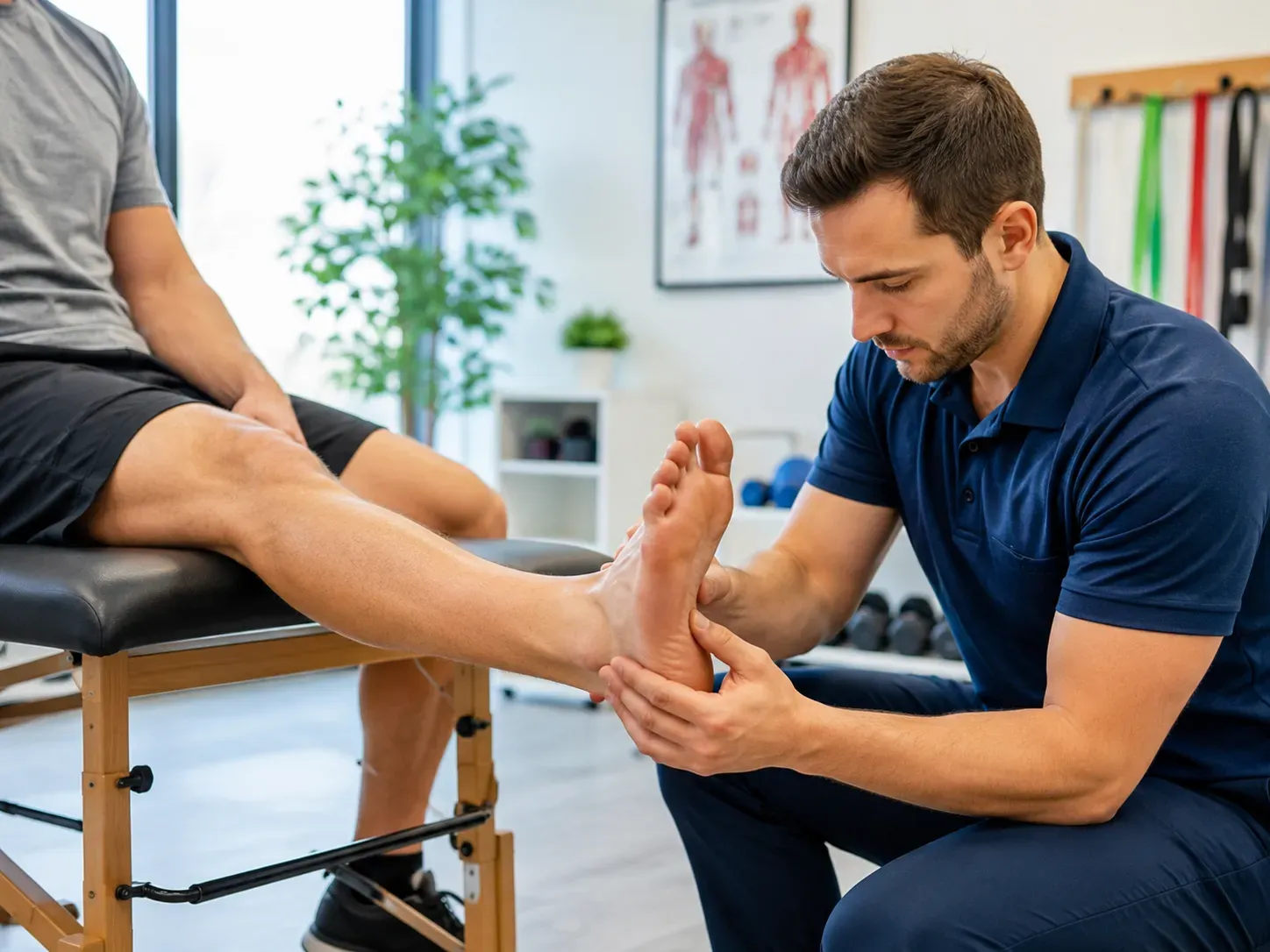
1. Manual Therapy:
Hands-on techniques such as deep tissue massage, myofascial release, and trigger
point therapy are used to break down scar tissue and adhesions. These techniques
improve blood flow, reduce tension, and restore mobility.
2. Stretching and Mobility Exercises:
Targeted stretches and exercises help elongate scar tissue and improve flexibility,
allowing the affected area to move more freely.
3. Ultrasound Therapy:
Ultrasound therapy uses sound waves to penetrate deep into the tissues, promoting
the breakdown of scar tissue and enhancing healing.
4. Laser Therapy:
Low-level laser therapy reduces inflammation and promotes tissue regeneration,
helping to soften and reduce scar tissue.
5. Heat and Cold Therapy:
Heat therapy improves circulation, while cold therapy reduces inflammation, both of
which aid in scar tissue treatment.
6. Postural Correction:
Poor posture can exacerbate the effects of scar tissue. Physiotherapists work to
correct posture, ensuring proper alignment and movement patterns.
The Benefits of Scar Tissue and Adhesion Treatment
Patients undergoing scar tissue and adhesion treatment often experience significant
improvements in their physical function and overall well-being. Here are some of the
key benefits:
1. Pain Relief:
By breaking down scar tissue and reducing adhesions, physiotherapy alleviates pain
and discomfort.
2. Improved Mobility:
Treatment restores flexibility and range of motion, allowing patients to move more
freely.
3. Enhanced Strength:
Strengthening exercises rebuild muscle function and stability, improving overall
performance.
4. Faster Recovery:
For post-surgical patients, scar tissue treatment accelerates recovery and reduces
the risk of complications.
5. Prevention of Re-Injury:
Addressing scar tissue and adhesions reduces the likelihood of further injuries by
improving tissue quality and function.
6. Boosted Confidence:
Patients often feel more confident and empowered as they regain control over their
bodies.
What to Expect During Scar Tissue Treatment
At Dynamic Physiotherapy, our scar tissue and adhesion treatment programs are
tailored to each patient’s unique needs. Here’s what you can expect:
1. Initial Assessment:
The physiotherapist conducts a thorough evaluation of your condition, including the
location and severity of scar tissue or adhesions. They’ll also discuss your medical
history and treatment goals.
2. Personalized Treatment Plan:
Based on the assessment, the physiotherapist develops a customized treatment
plan that combines manual therapy, exercises, and other techniques.
3. Hands-On Treatment:
Sessions often include manual therapy to break down scar tissue and improve
mobility. This may be complemented by ultrasound or laser therapy.
4. Exercise Program:
Patients are guided through a series of stretching and strengthening exercises to
maintain progress and prevent future issues.
5. Ongoing Support:
The physiotherapist monitors your progress and makes adjustments to the treatment
plan as needed, ensuring optimal results.
Who Can Benefit from Scar Tissue Treatment?
Scar tissue and adhesion treatment is suitable for individuals of all ages and activity
levels. You may benefit from this therapy if you:
• Experience pain or stiffness after an injury or surgery
• Have limited mobility due to scar tissue
• Are recovering from a repetitive strain injury
• Want to improve the appearance and flexibility of scars
• Are looking to prevent long-term complications from adhesions
Experience the Benefits of Scar Tissue and Adhesion Treatment at Dynamic
Physiotherapy
At Dynamic Physiotherapy in Mississauga, our skilled physiotherapists are dedicated
to helping patients overcome the challenges of scar tissue and adhesions. Using
evidence-based techniques and personalized care, we’ll help you restore your
mobility, reduce pain, and achieve a better quality of life.
Don’t let scar tissue or adhesions hold you back. Contact us today to book an
assessment and start your journey toward recovery and improved function.
SHARE POST:
Leave a Comment:
Our Recent Post:
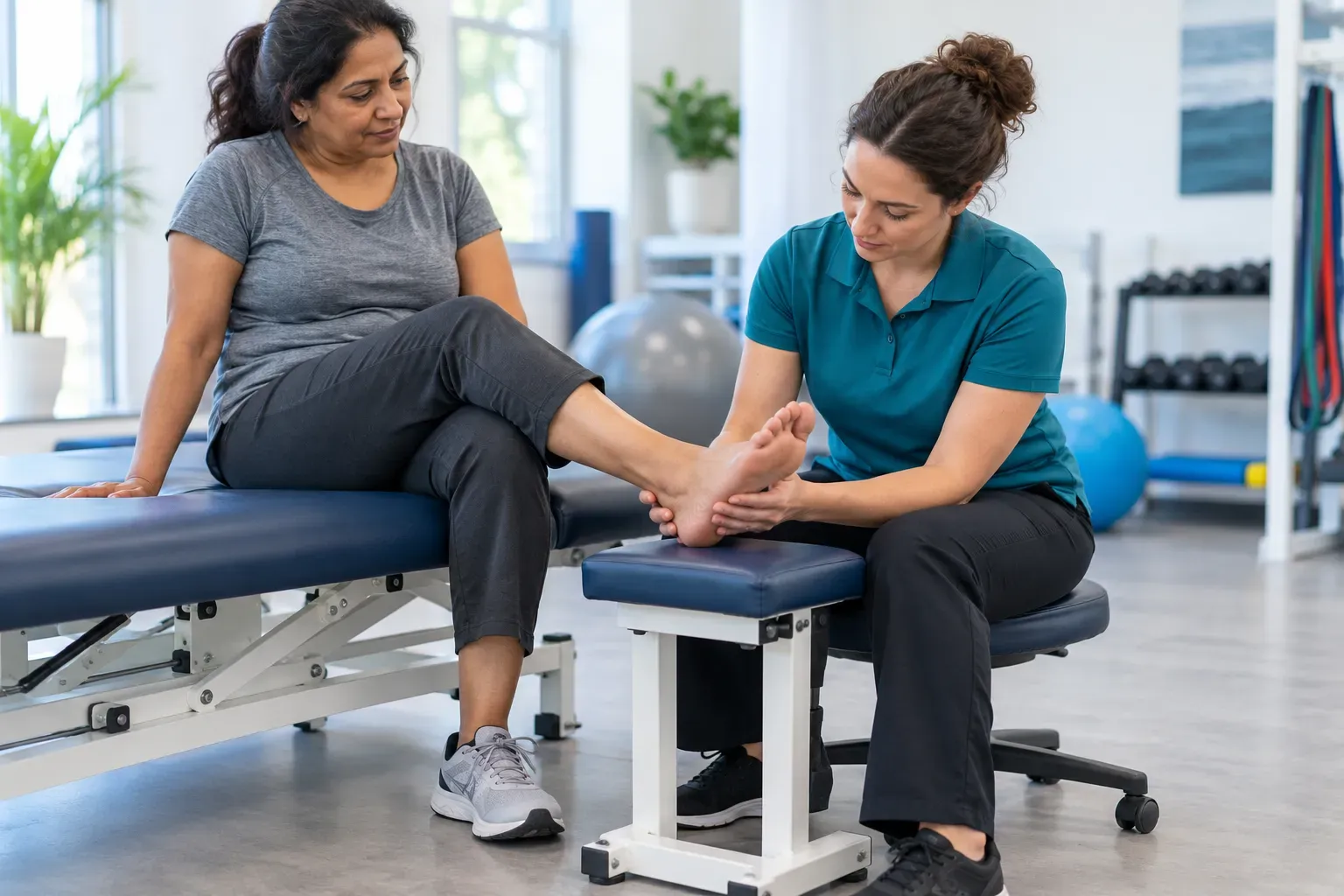
Heel pain with your first steps in the morning? Learn what the pattern may mean and how Dynamic Physiotherapy in Mississauga assesses and supports recovery.
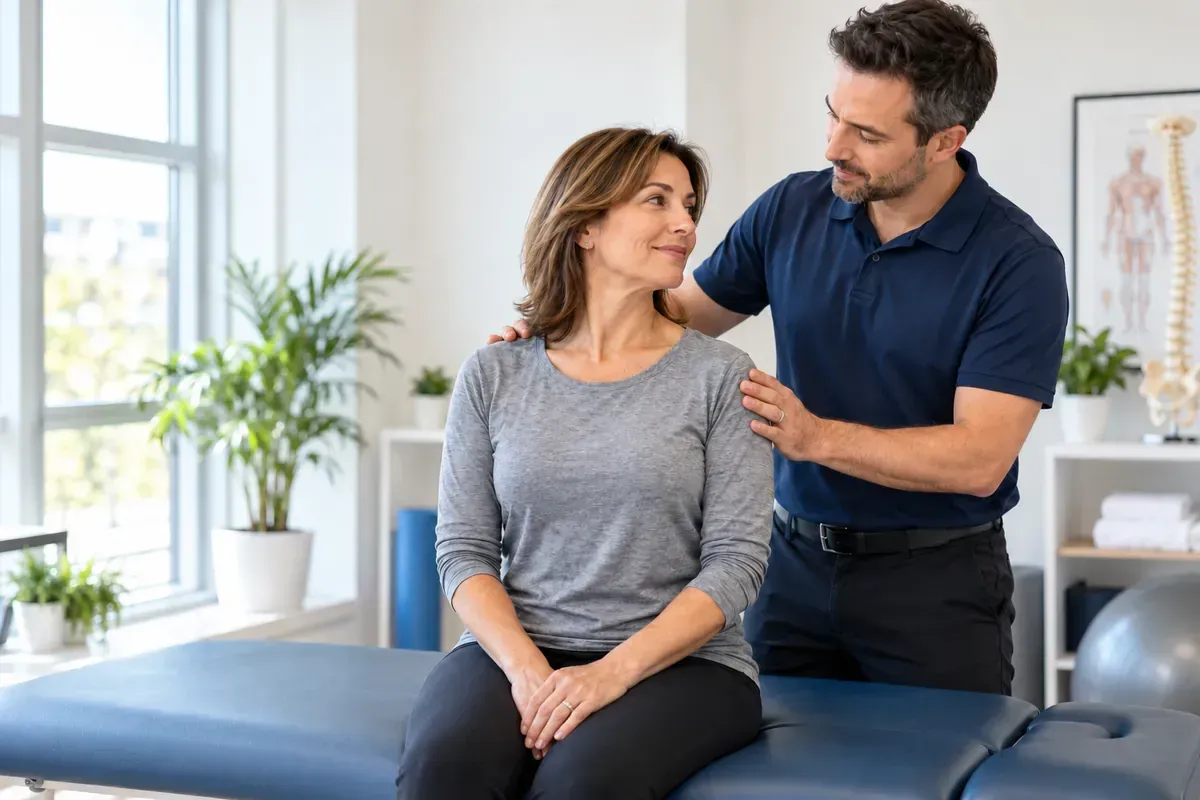
Neck stiffness at your desk or while driving? Dynamic Physiotherapy in Mississauga offers hands-on care and guided exercises. Request an appointment.
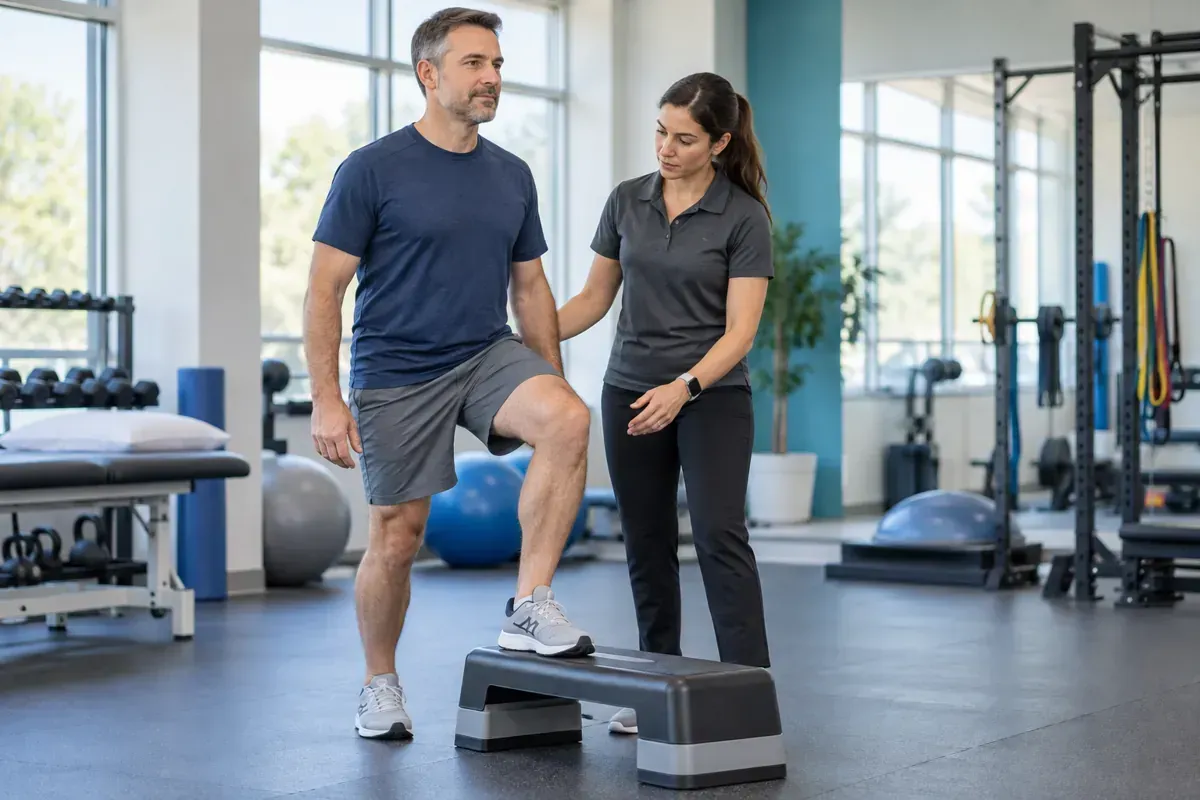
Returning to exercise after an injury? Learn how physiotherapy in Mississauga supports strength, mobility and a gradual return to activity.
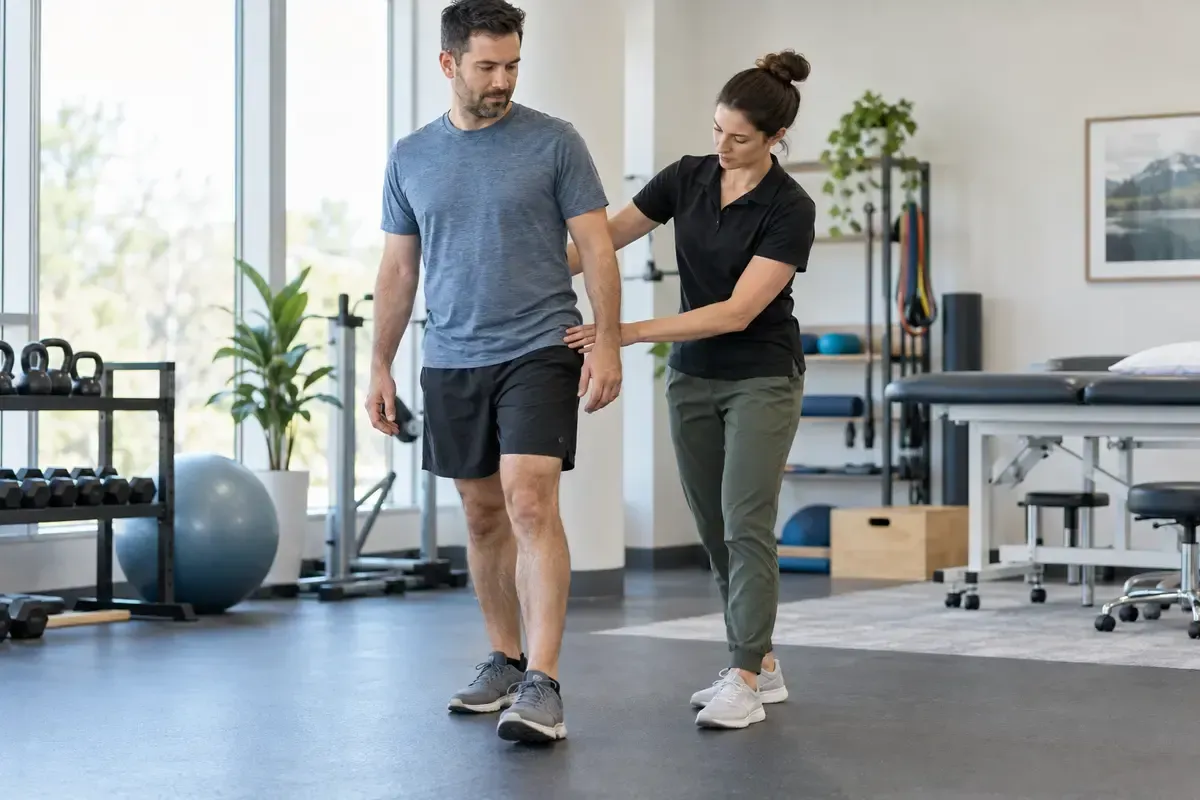
Learn why hip pain may affect walking and standing and how physiotherapy assessment in Mississauga examines mobility, strength and movement control.
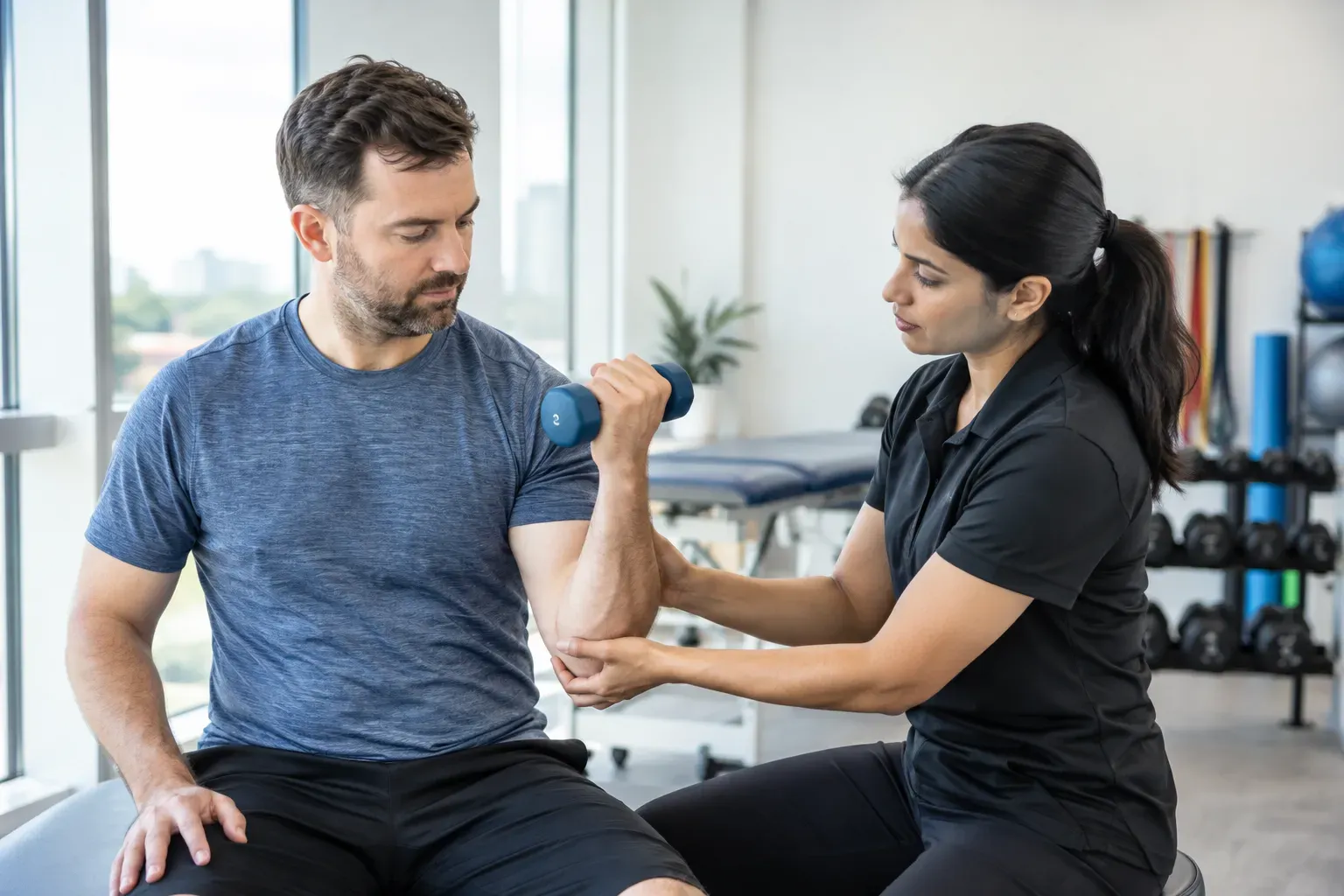
Learn why elbow pain may persist during gripping and lifting, what physiotherapy assessment examines, and how rehabilitation may support recovery.

Learn why knee pain may worsen on stairs and how physiotherapy assessment in Mississauga examines strength, mobility and movement control.
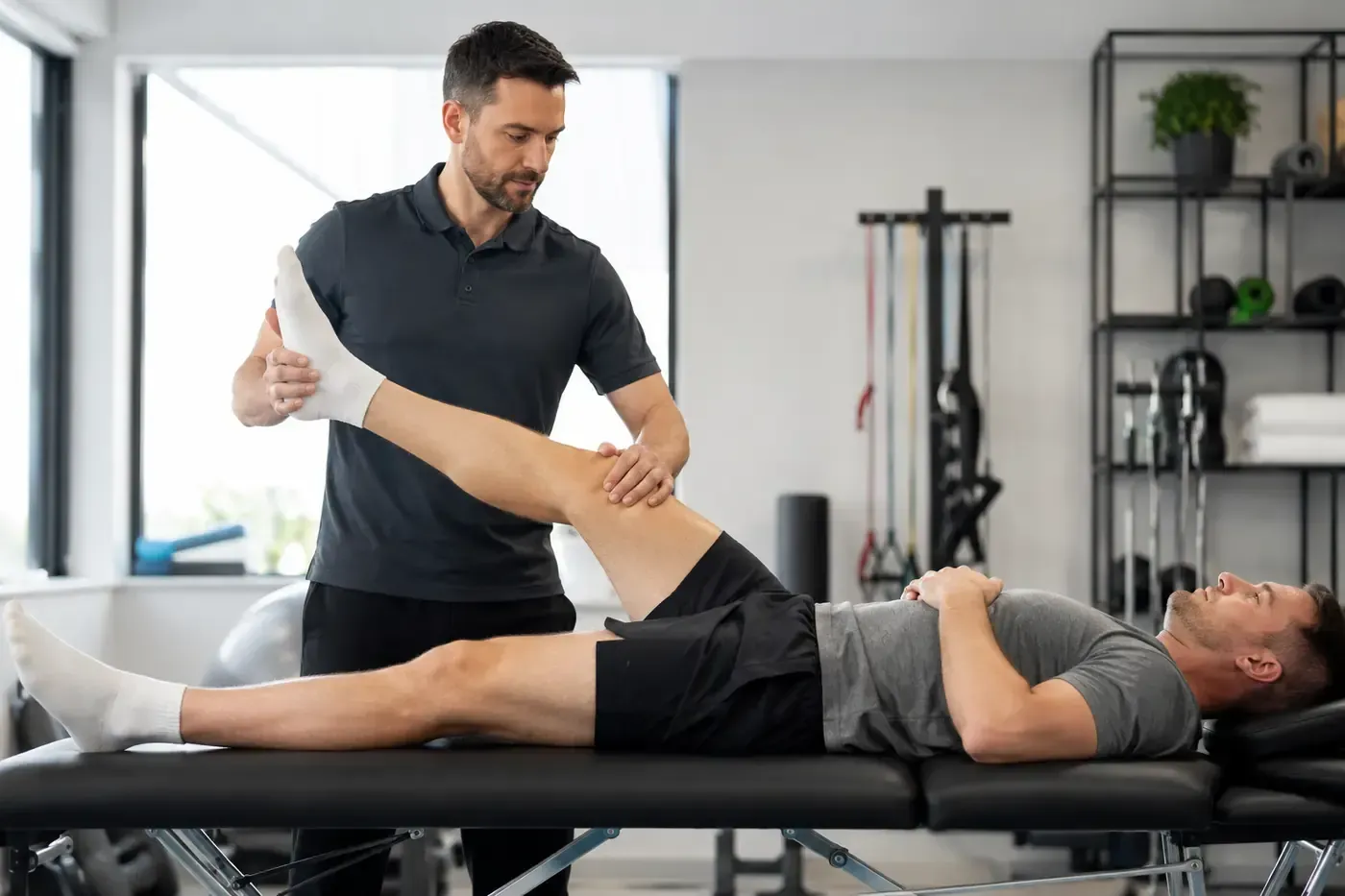
Learn why sciatica symptoms may travel from the lower back into the leg and how physiotherapy assessment in Mississauga can guide rehabilitation.
Learn why plantar fasciitis and heel pain can keep returning and how physiotherapy, Shockwave Therapy, exercise and foot support may help recovery.

Contact Dynamic Physiotherapy & Sports Injury in Mississauga
For expert care and rehabilitation, contact Dynamic Physiotherapy & Sports Injury in Mississauga. Our dedicated team is ready to help you recover and achieve your health goals.